
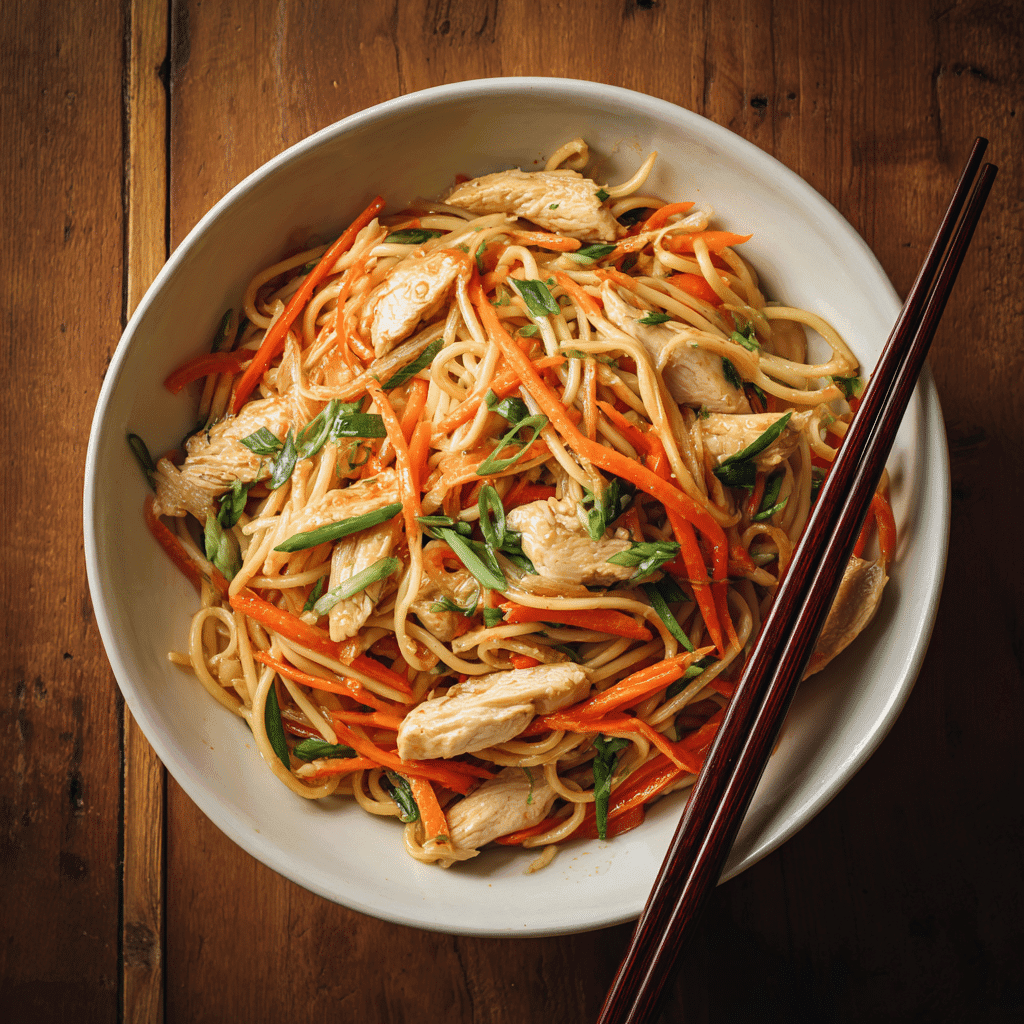
Looking for a quick, comforting dinner that tastes like takeout but comes from your own kitchen? This Classic Chinese Chicken Lo Mein recipe hits all the right notes: savory sauce, tender noodles, and juicy chicken all tossed together in under 30 minutes. Whether you’re craving Chinese food or just need a reliable weeknight dinner, this dish delivers. In this article, we’ll explore the traditional roots of lo mein, the key ingredients that define its flavor, and a few smart tricks to make it better than your favorite restaurant version.
Table of Contents
Table of Contents
The Story & Intro
Memories of Lo Mein Nights
Hi, I’m Emily. I still remember the first time I twirled lo mein noodles on my fork too young for chopsticks but old enough to appreciate the warm, rich aroma that filled my grandma’s kitchen. She didn’t call it lo mein. She called it “noodle night,” and it was always my favorite. I’d watch the sizzling pan, listen to the clink of the spatula, and wait for the noodles to soak up that glossy brown sauce. That’s where my love for cooking began.
Now, I make Classic Chinese Chicken Lo Mein the same way with love, a big pan, and simple, honest ingredients. This isn’t the sugary, oily takeout version. It’s balanced, homemade, and customizable for your fridge’s leftovers. If you’ve ever wondered what goes into an authentic lo mein dish or why it tastes so addictive, we’re breaking it all down.
On busy days, I lean on this recipe because it checks all the boxes: fast, comforting, and full of bold flavor. Want it high-protein? Use this high protein chicken lo mein version. Want it veggie-packed? We’ll talk about easy swaps too.
Print
Classic Chinese Chicken Lo Mein Recipe for Busy Weeknights
- Total Time: 25 mins
- Yield: 2 servings
Description
Classic Chinese Chicken Lo Mein is a quick, flavor-packed stir-fry with tender chicken, chewy noodles, and a savory sauce.
Ingredients
8 oz lo mein noodles
2 tbsp soy sauce
1 tbsp oyster sauce
1 tbsp sesame oil
1 tsp sugar
1/4 tsp white pepper
1 tbsp cooking oil
2 garlic cloves, minced
1 tsp fresh ginger, minced
1 lb chicken thighs or breast, thinly sliced
1 cup shredded cabbage
1/2 cup julienned carrots
1/2 red bell pepper, sliced
2 scallions, chopped
Instructions
1. Cook noodles according to package, rinse and set aside.
2. Mix soy sauce, oyster sauce, sesame oil, sugar, and white pepper in a bowl.
3. Heat oil in a wok. Add sliced chicken, cook until browned and cooked through. Remove and set aside.
4. In same wok, sauté garlic and ginger until fragrant.
5. Add carrots and bell pepper, stir-fry for 2 minutes.
6. Add cabbage and scallions, stir another 1–2 minutes.
7. Return chicken to pan, add cooked noodles and sauce.
8. Toss everything together for 1–2 minutes until evenly coated.
9. Serve hot with sesame seeds or chili oil if desired.
Notes
Feel free to swap in shrimp, beef, or tofu.
Use spaghetti as a noodle substitute if lo mein noodles aren’t available.
This dish reheats well for up to 3 days.
- Prep Time: 10 mins
- Cook Time: 15 mins
- Category: Dinner
- Method: Stir-Fry
- Cuisine: Chinese
What Makes a Lo Mein “Classic”
To earn its title, classic lo mein must have three things: chewy egg noodles, umami-rich sauce, and crisp-tender veggies. Chicken adds protein, but the soul is in the wok. Traditional Chinese lo mein is different from American takeout; it’s more balanced in texture, lighter in oil, and all about layering simple flavors.
In this recipe, I stick close to those roots but make it weeknight-friendly. We’ll also link flavors from dishes like this honey garlic chicken thigh to show how sauces overlap beautifully in Asian home cooking.
Mastering the Ingredients in Classic Chinese Chicken Lo Mein
The Key Elements of Authentic Chicken Lo Mein
A good Classic Chinese Chicken Lo Mein starts with the right foundation fresh ingredients that complement each other without overwhelming the dish. First and foremost, let’s talk chicken. Boneless, skinless chicken breast or thighs both work well, but I personally love thighs for their extra juiciness and deeper flavor. Slice them thin so they cook quickly and soak up the sauce.
Next, the noodles. Traditional lo mein uses fresh egg noodles slightly chewy, thick enough to carry sauce, and quick to stir-fry. If you can’t find fresh ones, use dried lo mein or even spaghetti in a pinch. The key is not to overcook them; they need to hold up in the pan.
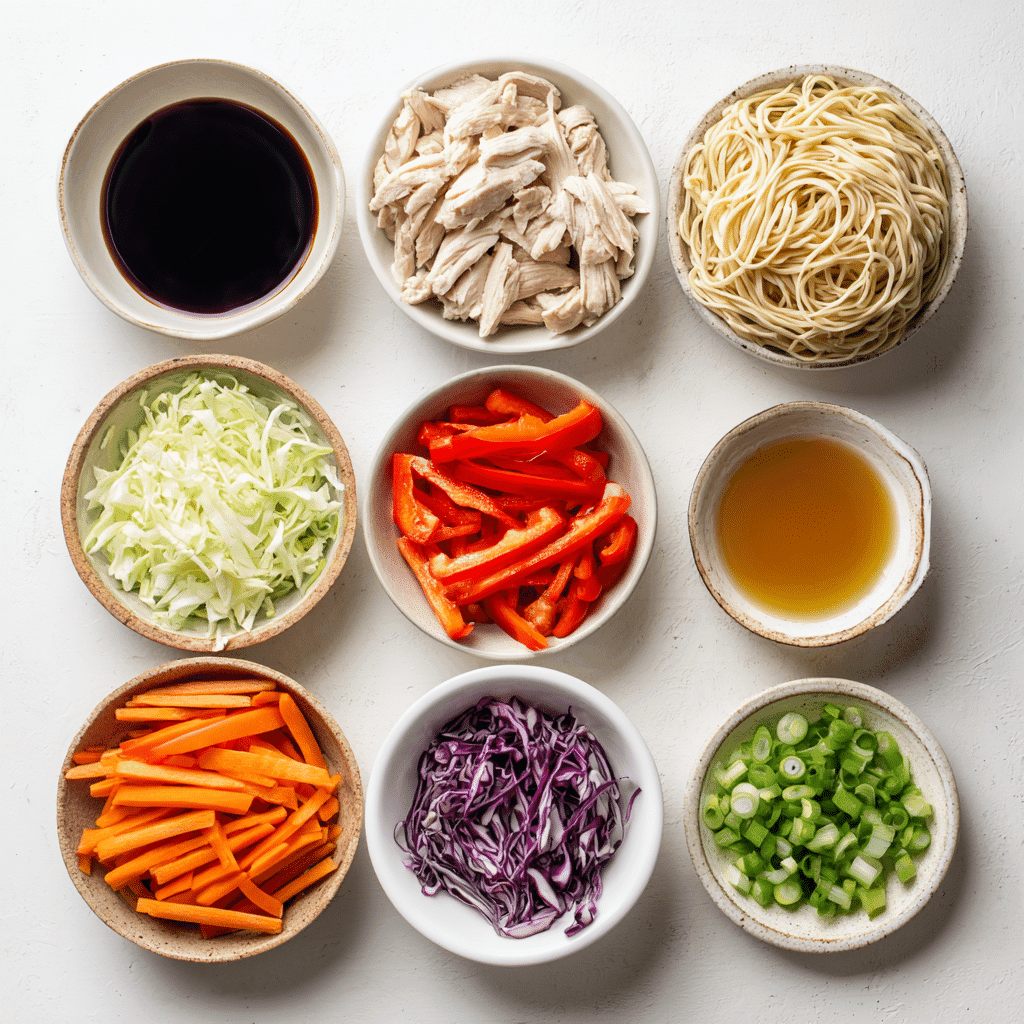
Now, let’s build our veggie base. I always reach for a combination of:
- Carrots (julienned)
- Shredded cabbage or bok choy
- Bell peppers (red for sweetness)
- Green onions
These add crunch, color, and nutrition, making the dish more than just carbs and protein. Want something a little different? Try it with chicken and cabbage for a more rustic version.
For the aromatics, garlic and ginger are non-negotiable. They form the backbone of the sauce and give that unmistakable Chinese takeout flavor, especially when paired with sesame oil.
Choosing the Right Noodles and Sauces
Sauce is where the magic happens. A classic lo mein sauce is salty, slightly sweet, and deeply umami. Here’s what I use:
- Soy sauce (light and dark if possible)
- Oyster sauce
- Toasted sesame oil
- A pinch of sugar
- White pepper
- Optional: a splash of Shaoxing wine for authenticity
Mix the sauce before you cook this helps everything come together quickly when the noodles hit the pan. Stir-fry moves fast, and you don’t want to be scrambling for ingredients at the last second.
When it comes to noodles, I always look for the words “lo mein” or “stir-fry noodles” on the label. If you’re low on options, spaghetti is a surprisingly solid substitute. Just be sure to rinse it well after boiling to remove excess starch it prevents clumping and helps it absorb the sauce better.
Cooking Techniques That Bring Flavor to Classic Chinese Chicken Lo Mein
The Secret to a Perfect Stir-Fry Texture
There’s one golden rule in Chinese stir-frying: high heat, short time. If you’ve ever had Classic Chinese Chicken Lo Mein at a restaurant and wondered how they get the noodles so bouncy and the veggies so crisp, this is why. You need heat high enough to caramelize and sear without turning your ingredients soggy.
First, choose the right pan. A wok is traditional and ideal but if you don’t have one, a wide, heavy skillet will do. The goal is to give your ingredients room to move and sear, not steam.
Start by cooking the chicken in a bit of oil (I prefer avocado or peanut oil for their high smoke points). Don’t overcrowd the pan. Let the meat sear on one side before stirring. Once it’s golden and cooked through, remove it so it doesn’t overcook.
Then come the aromatics garlic and ginger go in next, releasing that bold base aroma. Follow with your veggies, starting with the ones that take the longest (like carrots and bell peppers), then adding leafy greens like cabbage or bok choy.
Finally, return the chicken, toss in the noodles, pour the pre-mixed sauce, and stir-fry everything for just 1–2 minutes. The sauce should coat everything evenly without pooling at the bottom. If it does, your heat is too low or your pan is too crowded.
Building Bold Flavors With Simplicity
While the ingredient list is short, the flavor of chicken lo mein is anything but basic. What gives this dish its complexity is layering.
The soy and oyster sauces bring salt and depth. Sesame oil adds nuttiness. Ginger brings heat, and sugar rounds everything out. But the real game-changer? A splash of noodle water or chicken broth. This loosens the sauce just enough to help it coat every strand without becoming greasy.
Want a little heat? Add a few red pepper flakes or a drizzle of chili crisp right at the end. Want a sweet-savory combo? Stir in a teaspoon of hoisin sauce. These little touches let you customize your lo mein while keeping it balanced.
One final tip: undercook your noodles by a minute, then finish them in the sauce. This lets the noodles soak up the flavors without turning to mush. It’s a small step that makes a huge difference.
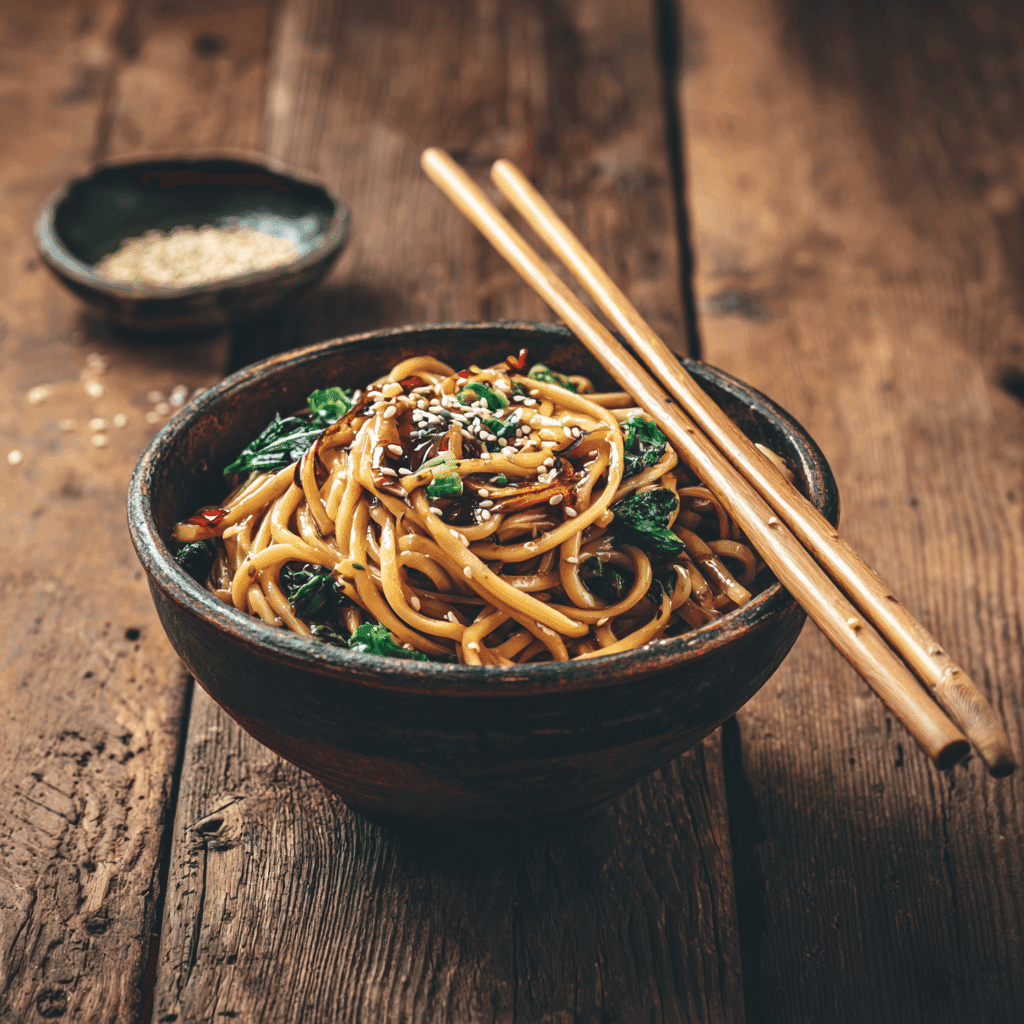
Smart Tips, Substitutes, and Serving Ideas for Classic Chinese Chicken Lo Mein
Vegetable Add-ins and Protein Swaps
One of the best things about Classic Chinese Chicken Lo Mein is its flexibility. Once you’ve nailed the base recipe, you can easily switch things up depending on what’s in your fridge or your cravings. Think of this as your invitation to make the dish your own.
Here are some of my favorite veggie add-ins:
- Snow peas for crunch
- Mushrooms for umami
- Broccoli for color and bite
- Baby corn or water chestnuts for texture
Not a fan of chicken? Swap it out. Shrimp, beef, tofu, or even a fried egg on top can turn this lo mein into something fresh and new. For example, if you’ve got leftover shredded rotisserie chicken, it works beautifully here and saves even more time.
If you’re plant-based, replace oyster sauce with vegetarian stir-fry sauce and use tofu or seitan. Just be sure to press and pan-sear tofu beforehand so it doesn’t break apart in the wok.
Another great trick? Pre-sliced stir-fry veggie mixes from the produce aisle. These save prep time and still taste amazing when tossed in with a well-balanced sauce.
How to Serve and Store Leftovers Like a Pro
Fresh lo mein is best hot from the wok, but it also stores and reheats surprisingly well making it perfect for lunches or quick next-day dinners.
Serving Tips:
- Sprinkle with sesame seeds for added texture
- Top with thinly sliced scallions
- Add a drizzle of chili oil or sriracha for heat lovers
Pair it with a quick soup or a light cucumber salad to round out the meal. I sometimes serve it alongside chicken and sweet potato soup for a warm and nourishing dinner that feels like a hug in a bowl.
Storage Tips:
- Store leftovers in an airtight container for up to 3 days
- To reheat, use a skillet with a splash of water or broth to revive the noodles without drying them out
- Avoid microwaving if possible it makes the noodles gummy
And if you find yourself making this often, try doubling the sauce and storing it in the fridge for the week. It’s a great way to toss together lo mein or even spice up basic rice or veggies on the fly.
for more recipes follow me in pinterest
Conclusion
Classic Chinese Chicken Lo Mein is more than just a quick dinner it’s a nostalgic, satisfying dish that brings big flavor with simple ingredients. Whether you’re new to stir-frying or a seasoned home cook, this recipe gives you the foundation to experiment and enjoy. With endless veggie swaps, protein choices, and the ability to meal prep like a pro, lo mein deserves a regular spot in your dinner rotation. Trust me once you try it homemade, you’ll never go back to takeout.